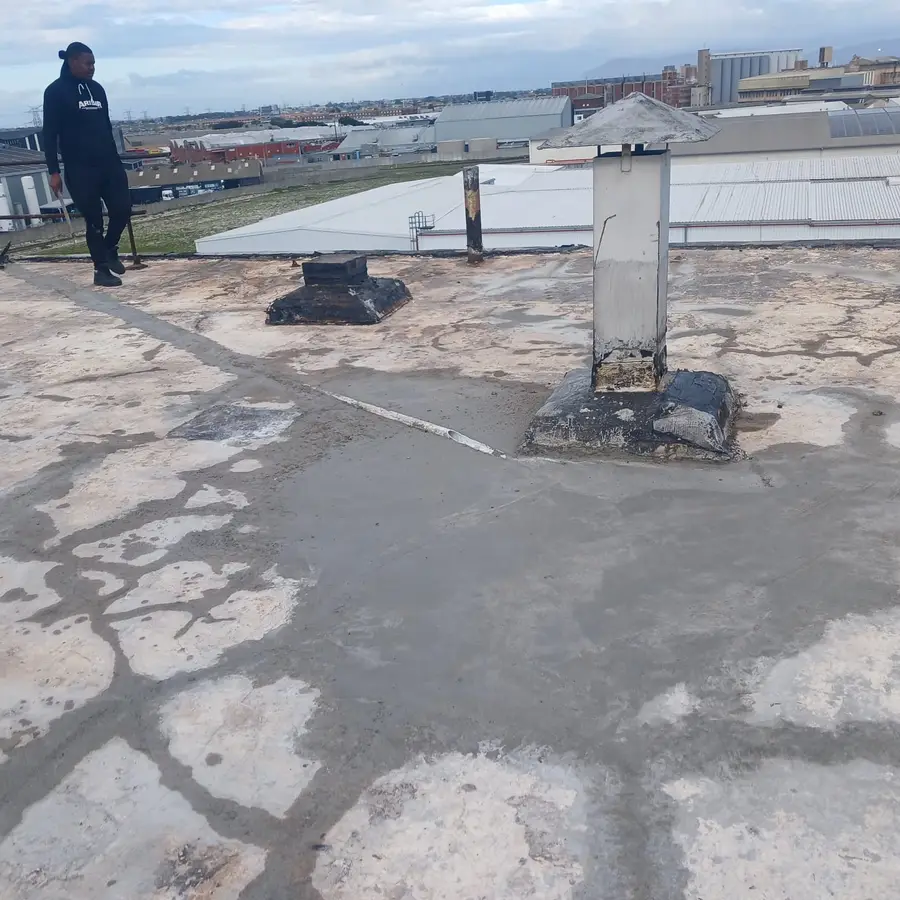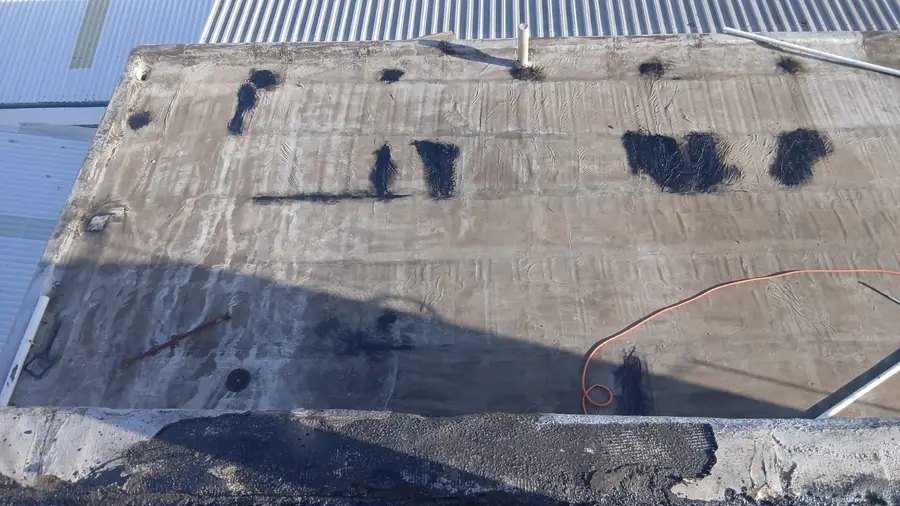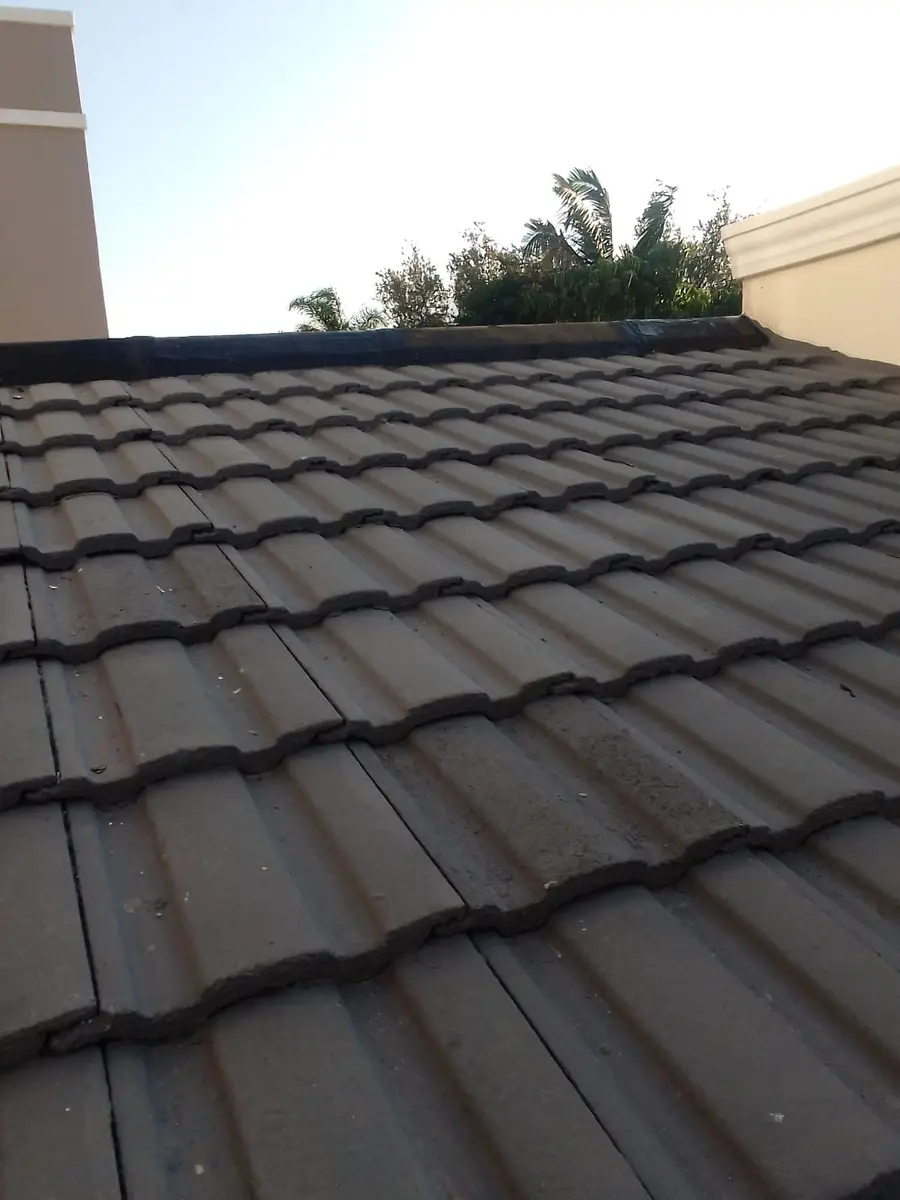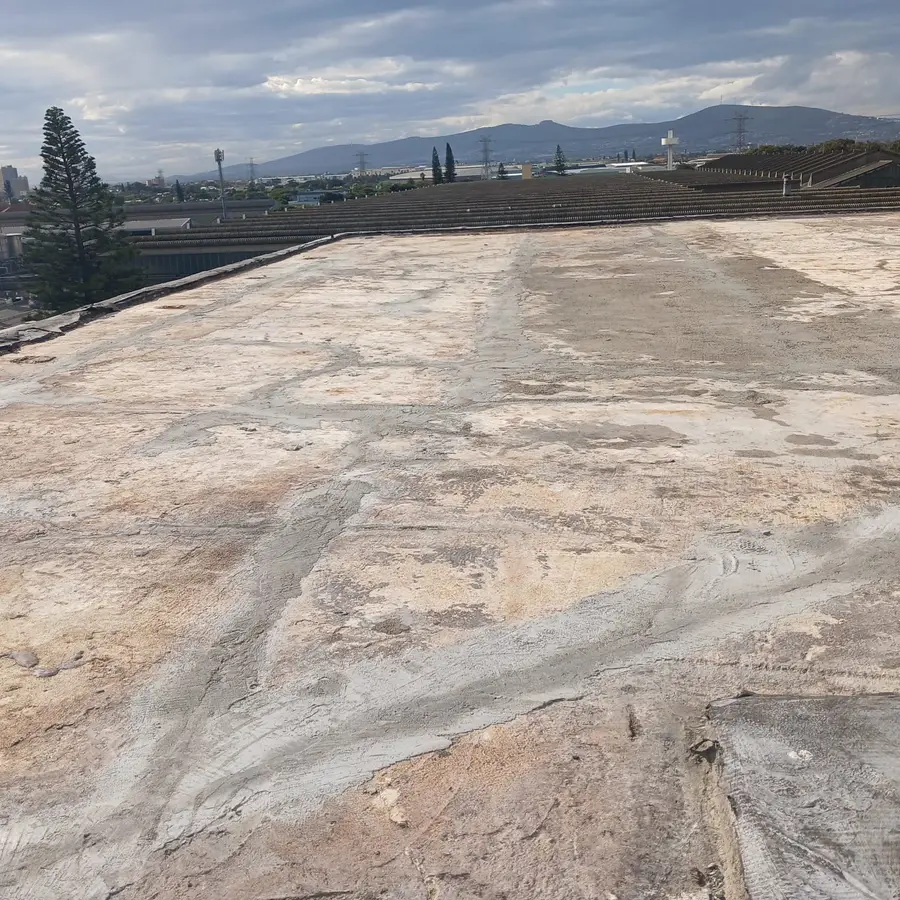
Flat Roof Waterproofing in Durbanville & Northern Suburbs
Compare quotes from vetted Durbanville flat-roof specialists — torch-on, liquid acrylic and polyurethane systems engineered for Cape wind-driven winter rain.
Benefits
Wind-uplift-rated systems specified for Cape Town's south-easter and winter cold fronts
Ponding-water-tolerant membranes (not all systems handle standing water — ours do)
UV-stable top coats that survive Cape summer without chalking or cracking
Manufacturer-approved applicators (Index, Derbigum, Sika, Mapei)
Free on-site flat-roof inspection with fall and ponding assessment
10-year workmanship guarantee plus 10–25 year manufacturer warranty
Our Process
Free on-site inspection — measure falls, identify ponding zones, inspect upstands and outlets
Written quote with system spec matched to substrate (concrete / IBR / timber deck)
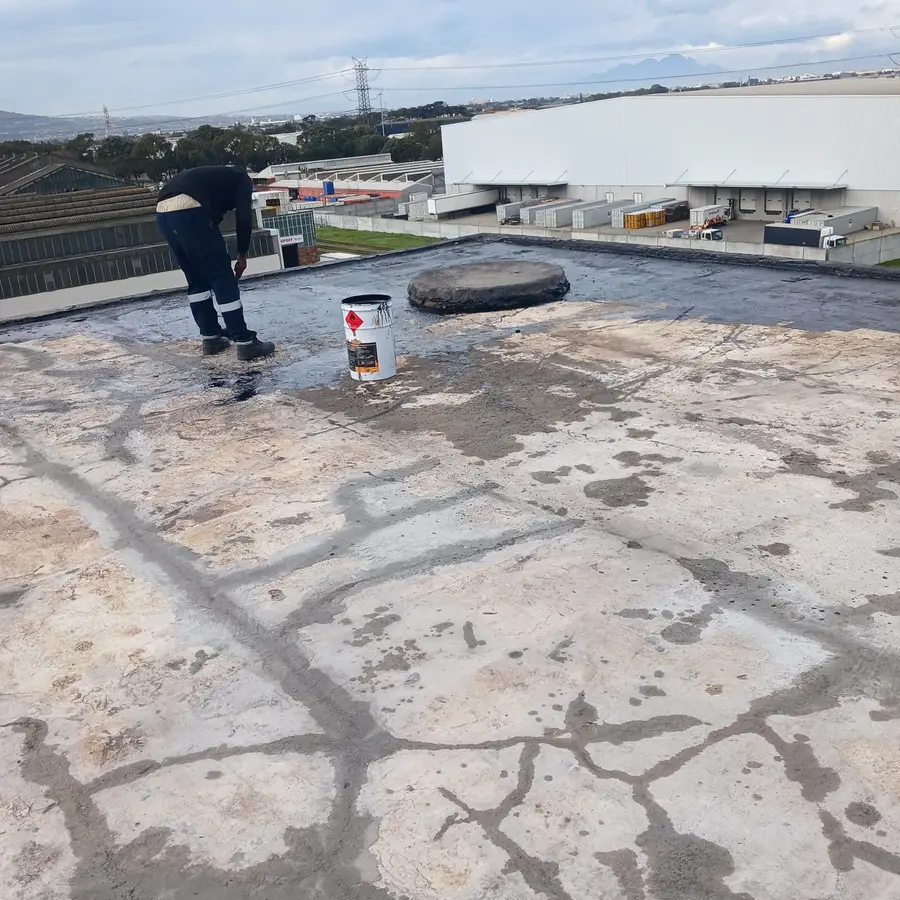
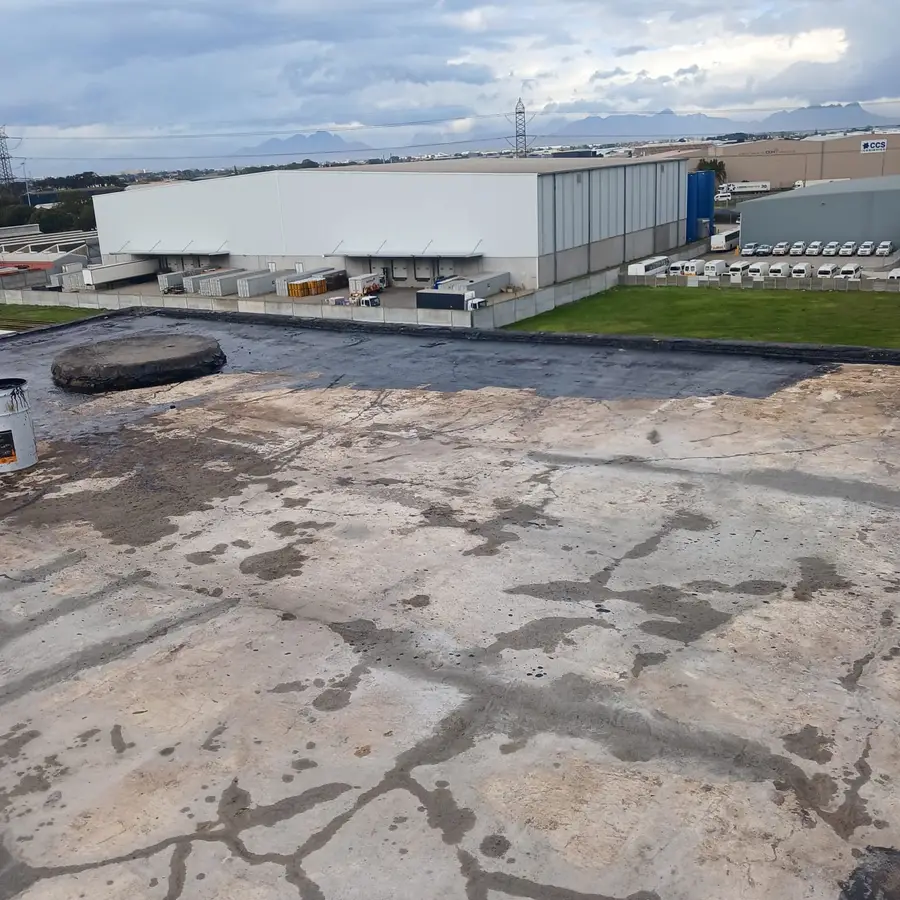
Surface preparation — pressure clean, remove old failed membrane, repair cracks and screed low spots
Prime substrate with the manufacturer-spec primer and detail upstands, outlets and penetrations
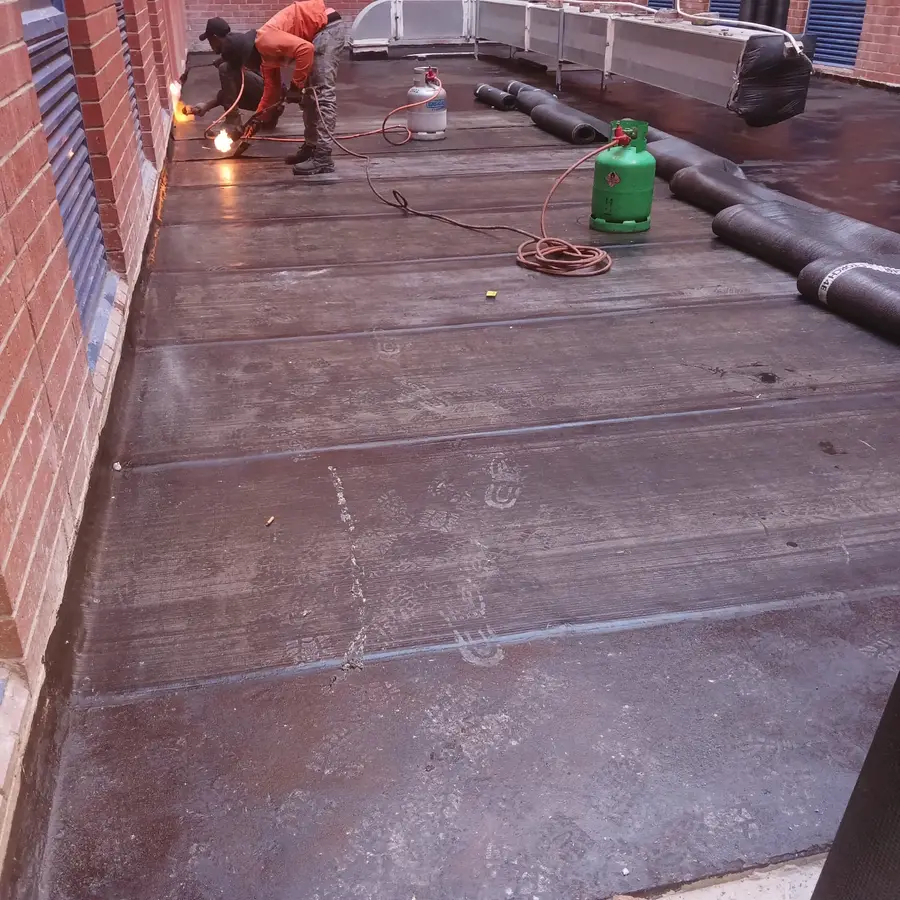
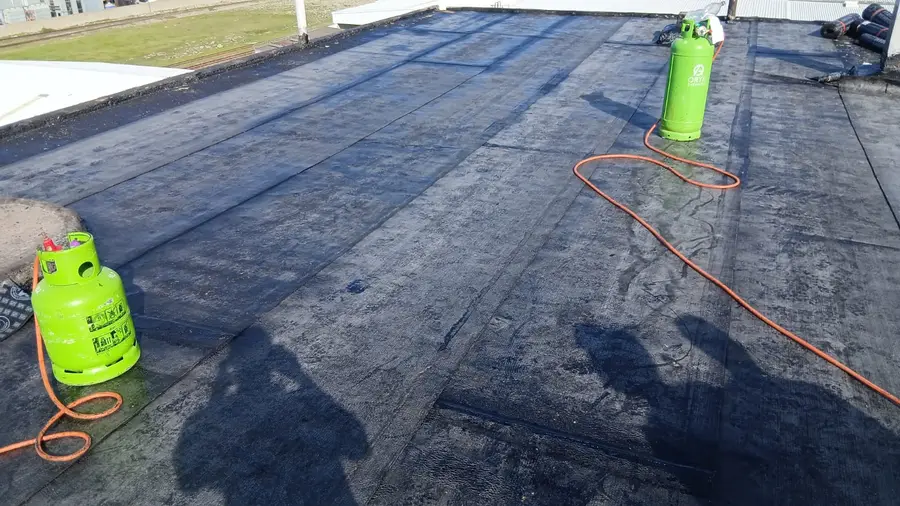
Apply main waterproofing system — torch-on layers, liquid coats with reinforcing fleece, or polyurethane
Flood-test the finished roof for 24–48 hours and snag any pinholes
Issue 10-year workmanship guarantee + manufacturer warranty certificate
Pricing
From R150/m²
2026 indicative ZAR pricing — system-dependent. Two-coat liquid acrylic R150-R260/m² (budget refurb), torch-on bitumen R220-R380/m² (concrete slabs, gold standard), liquid polyurethane R350-R550/m² (complex roofs, longest life). Final quote on-site after fall and ponding assessment.
Get Accurate QuoteFrequently Asked Questions
Why do flat roofs leak more often than pitched roofs?
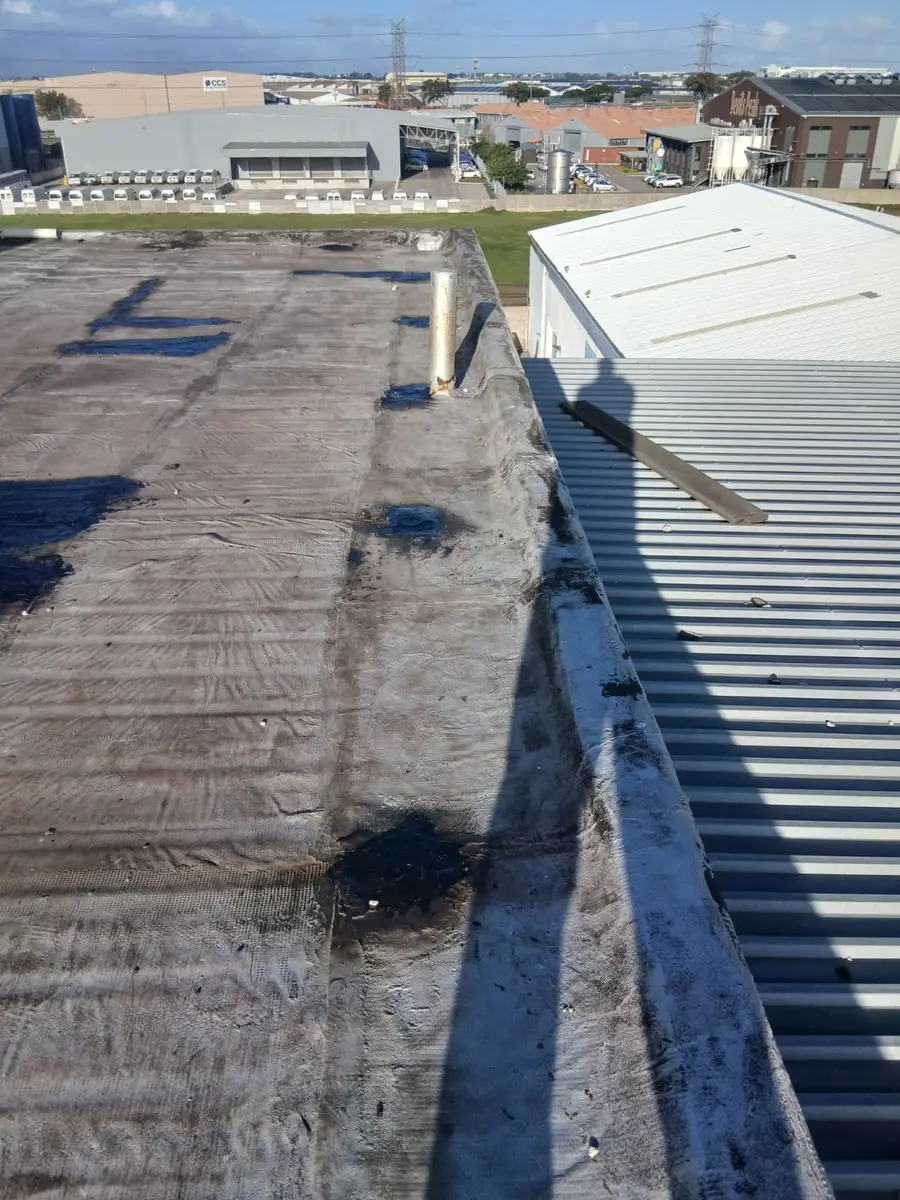
Three reasons. First, water sits rather than runs — even a 1:80 fall leaves shallow ponding after rain. Second, flat roofs have far more horizontal joints, upstands and penetrations (parapets, outlets, vent pipes) where movement cracks the membrane. Third, they take 100% of the UV load all year. In Durbanville, add wind-driven rain off the south-easter and winter cold fronts forcing water sideways into any seam — a flat roof needs a properly engineered system, not a paint-on patch.
What's the best waterproofing system for a Cape Town flat roof?
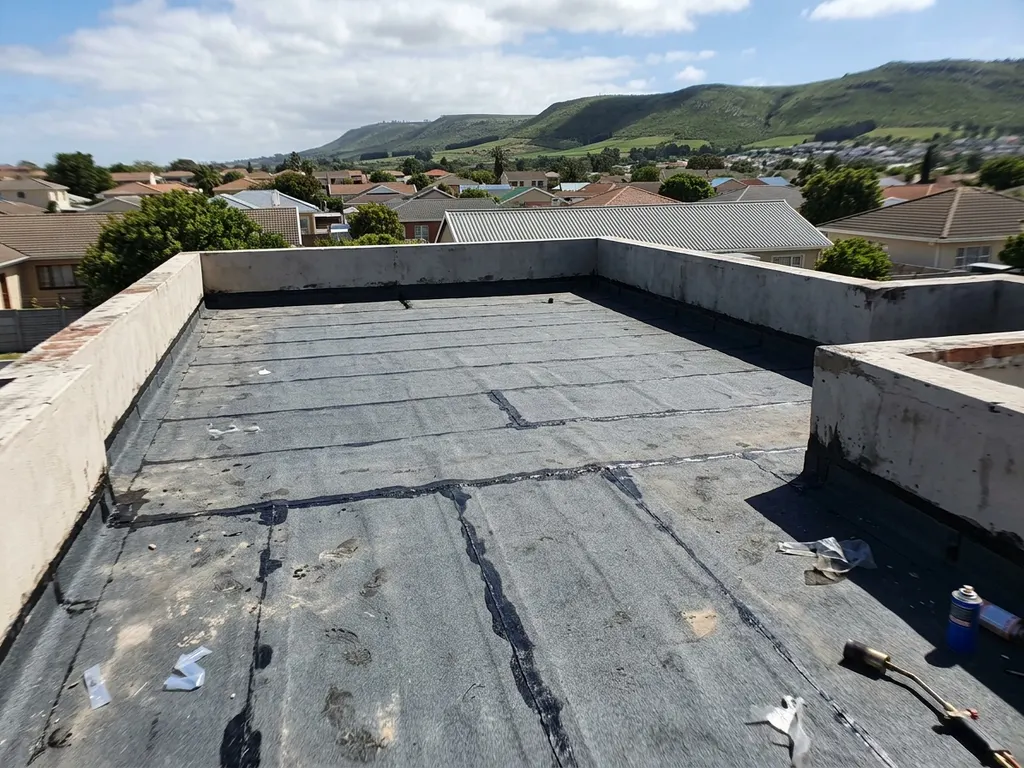
For a concrete slab, torch-on bitumen (Index Argo, Derbigum SP) is the gold standard — handles ponding, lasts 15-20 years, and well within Cape building practice. For a roof with lots of penetrations or an irregular shape, two-coat liquid polyurethane (Sikalastic, Mapelastic) is more forgiving — it self-levels around obstacles. For a budget refurb on a sound existing membrane, two-coat fibre-reinforced liquid acrylic. The free inspection determines which fits your substrate, fall and budget.
There's water ponding on my flat roof after rain — is that normal?
Light ponding that drains within 48 hours is tolerated by most systems and is common on older Durbanville flat roofs that have settled. Persistent ponding (water sitting more than 48 hours, or over 25mm deep) is not normal — it accelerates membrane breakdown, breeds algae, and adds dead-load weight. The fix is either a screed-to-falls correction (laying a tapered cement screed to redirect water to outlets) or a polyurethane system rated for permanent immersion. The inspection will identify which.
How often should flat roof waterproofing be redone?
Torch-on bitumen 15-20 years from a manufacturer-approved applicator. Liquid polyurethane 15-25 years. Two-coat liquid acrylic 8-12 years. The single biggest determinant is the quality of detailing at upstands, outlets and penetrations — that's where 90% of failures start, not in the field of the membrane. Annual visual inspection (especially March/April pre-winter) catches small problems before they become R30,000 ceiling damage.
My flat roof is IBR sheeting, not concrete — does it need a different system?
Yes. Torch-on bitumen does not bond to galvanised IBR. Flat IBR roofs need either a fibre-reinforced liquid acrylic or a polyurethane system applied with sheet primer, with extra detail at every screw head, lap joint and ridge. Listed contractors who do flat roofs handle both substrates and quote the correct system for what you have — never let an installer torch-on over IBR.
Can I walk on a waterproofed flat roof?
Light foot traffic for inspection or maintenance, yes — all the systems we install are pedestrian-tolerant. For regular foot traffic (roof terrace, drying area, plant equipment access) the contractor will spec a heavier-duty top layer — either a mineral-finish torch-on cap sheet, polyurethane with anti-slip aggregate, or a tile-on-pedestal overlay. Mention intended use during the inspection so the right system is quoted from the start.
Flat Roof Waterproofing Across Durbanville & the Northern Suburbs
Our team provides flat roof waterproofing across these Northern Suburbs neighbourhoods — free on-site inspection on every quote:
Ready to Get Started?
Get a free, no-obligation flat roof waterproofing quote from our Northern Suburbs team — on-site inspection included.
Get Free Quote Now