Roof Coating & Painting in Durbanville & Northern Suburbs
Vetted Durbanville applicators for acrylic and polyurethane roof coatings, tile sealing and protective roof painting — Plascon Roof Care, Dulux RoofGuard and Earthcote systems.
Benefits
Slows tile chalking and concrete dusting from Cape Town summer UV
Reflective lighter colours can drop loft temperatures 4-7°C
Seals hairline cracks and porous tile beds before winter rain hits
Manufacturer-approved applicators (Plascon, Dulux, Earthcote, Sika)
Workmanship guarantee — 5 years acrylic, up to 10 years polyurethane
Restores kerb appeal on faded clay, cement and IBR roofs
Our Process
Free on-site roof inspection — assess substrate, chalking and crack pattern
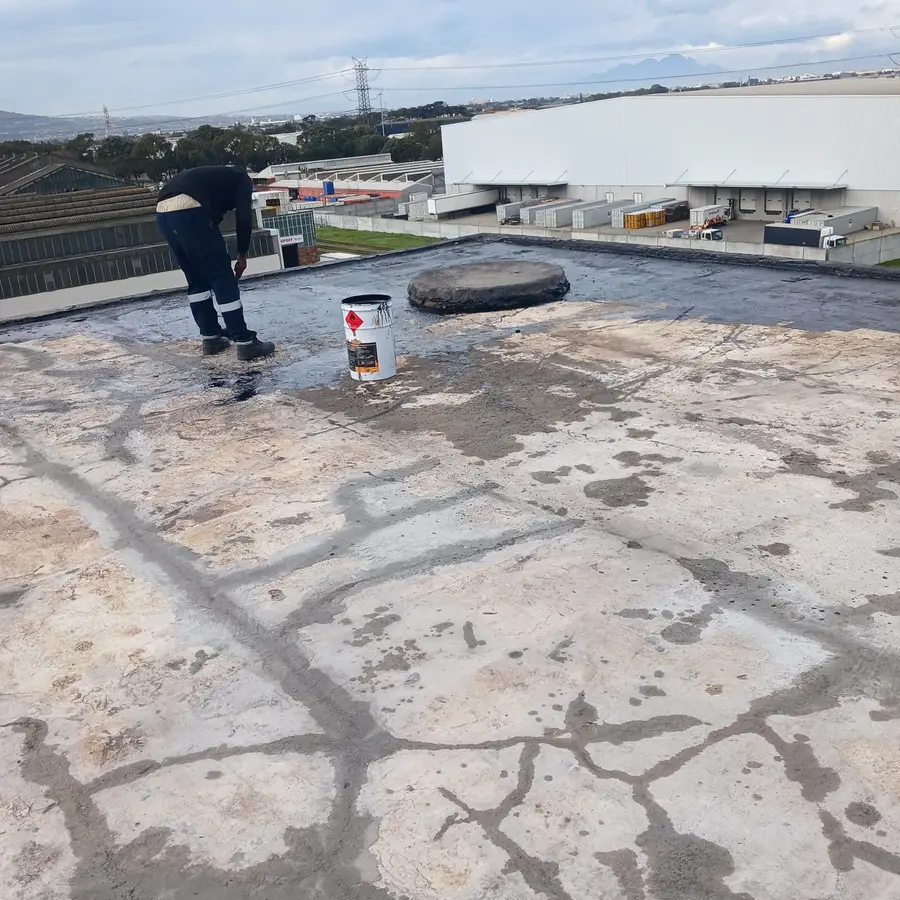
High-pressure clean to remove chalk, lichen, moss and loose previous coating
Crack repair, ridge re-bed and rust treatment on IBR/corrugated sheeting
Penetrating primer coat matched to substrate (tile, concrete, metal)
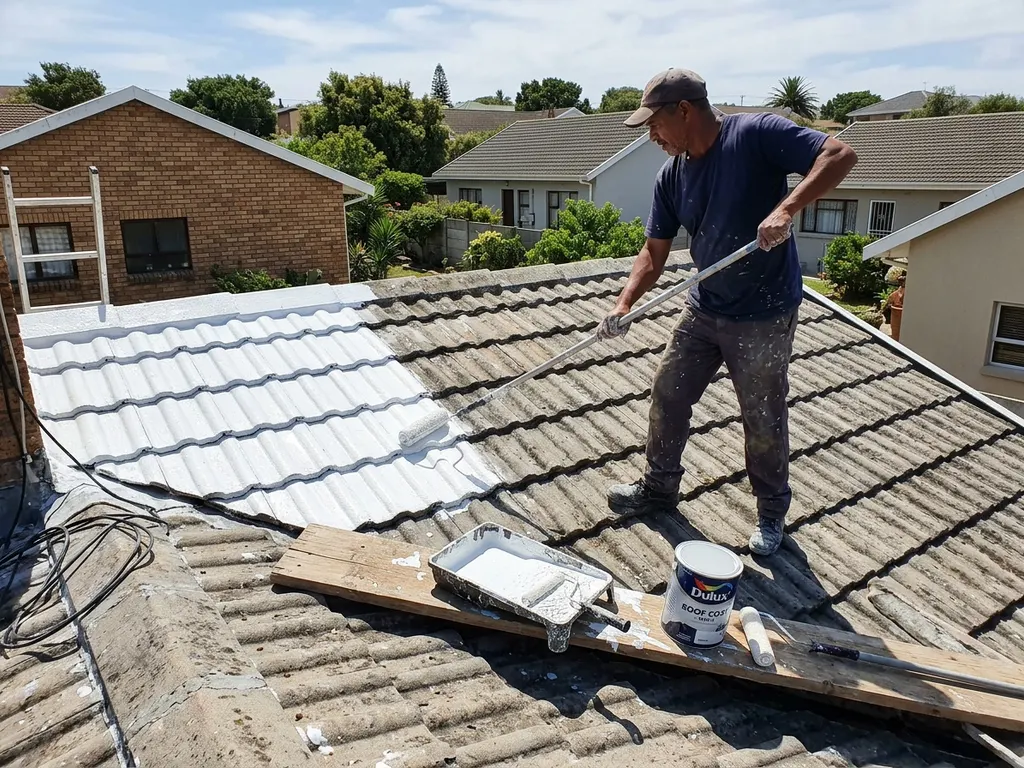
First finish coat — brush-cut edges, roller or airless spray on field
Second finish coat after manufacturer-specified recoat window (typically 4-24 hrs)
Snag-list walk-through with homeowner + written guarantee certificate
Pricing
From R150/m²
2026 indicative ZAR pricing. Acrylic coating R150-R260/m² (Plascon, Dulux), polyurethane R280-R450/m² (Earthcote, Sika), tile sealing R120-R200/m². Pressure cleaning + crack repair usually quoted separately on first inspection.
Get Accurate QuoteFrequently Asked Questions
Roof coating vs waterproofing — what's the difference?
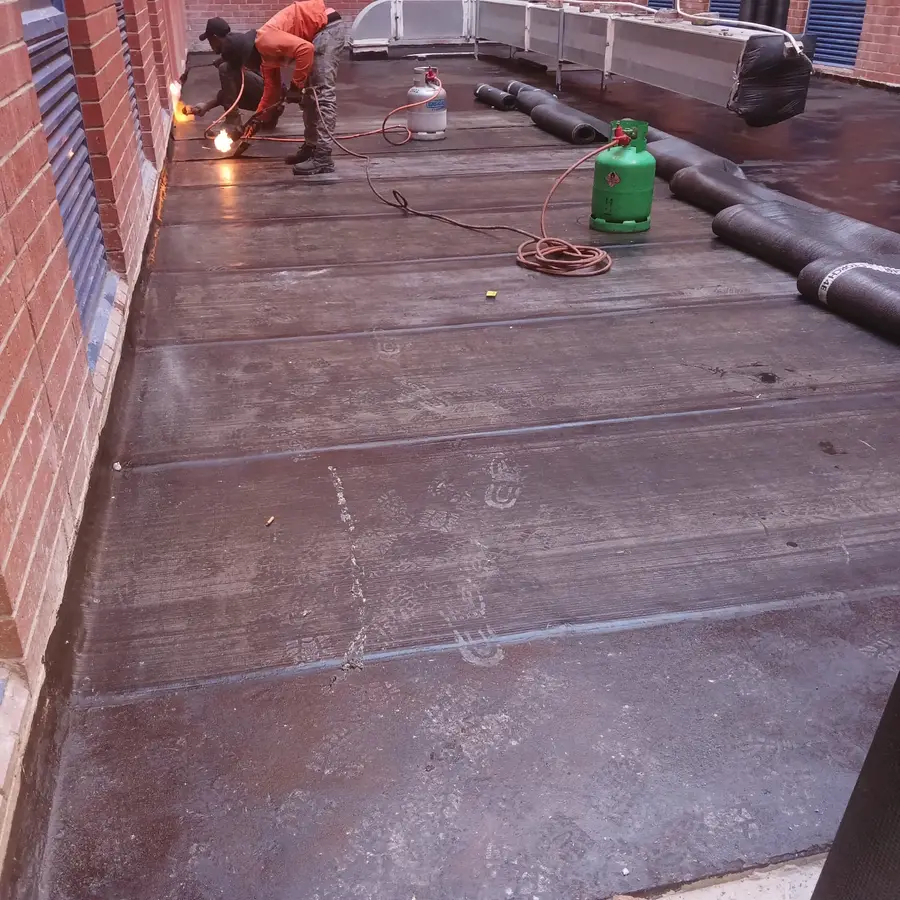
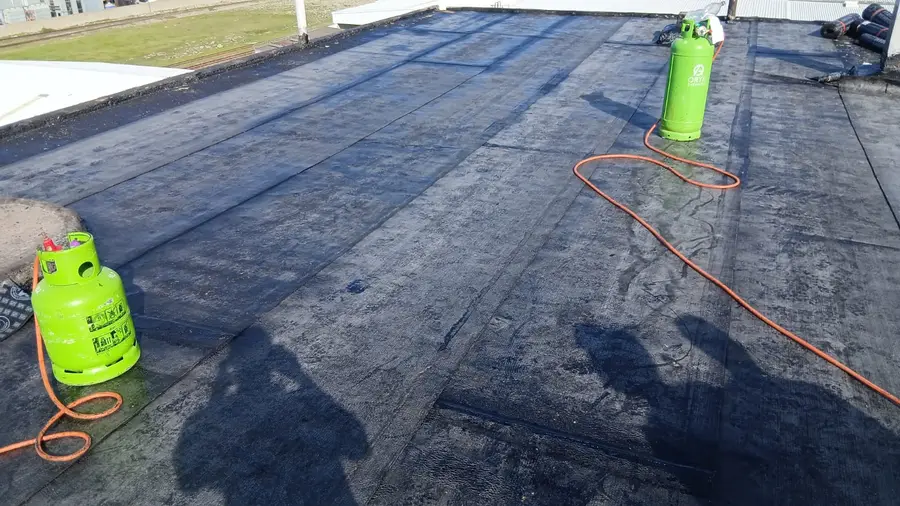
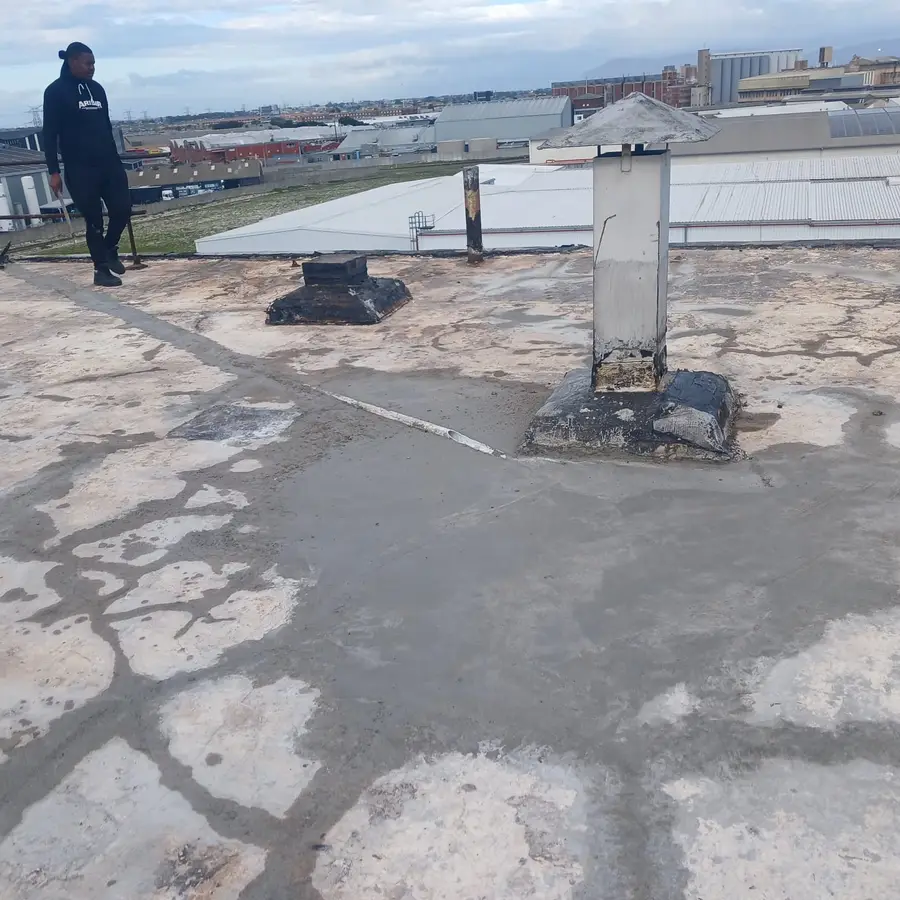
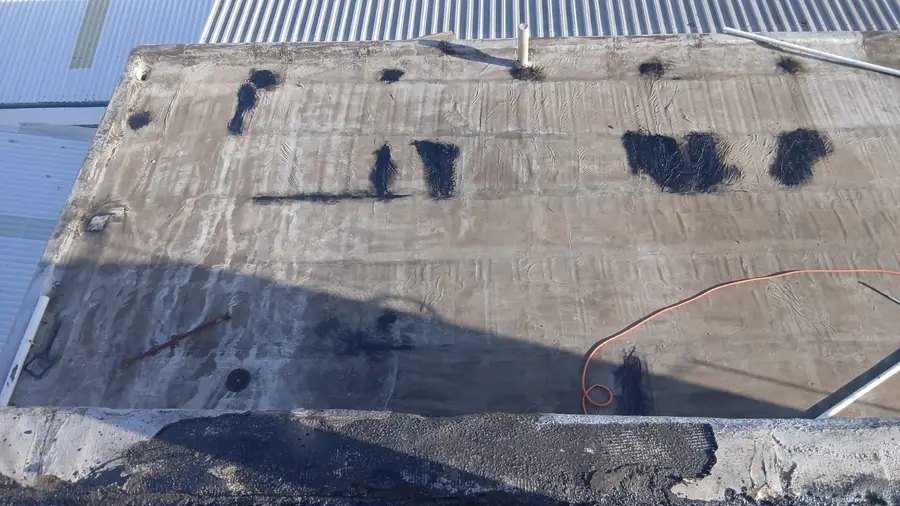
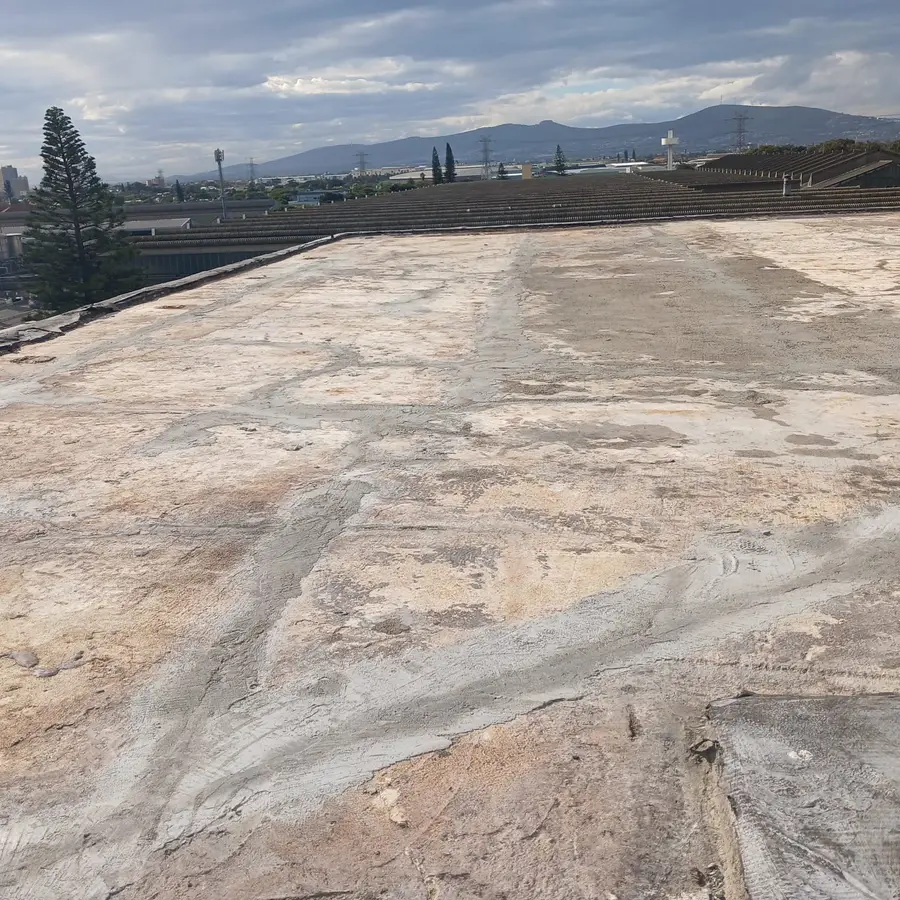
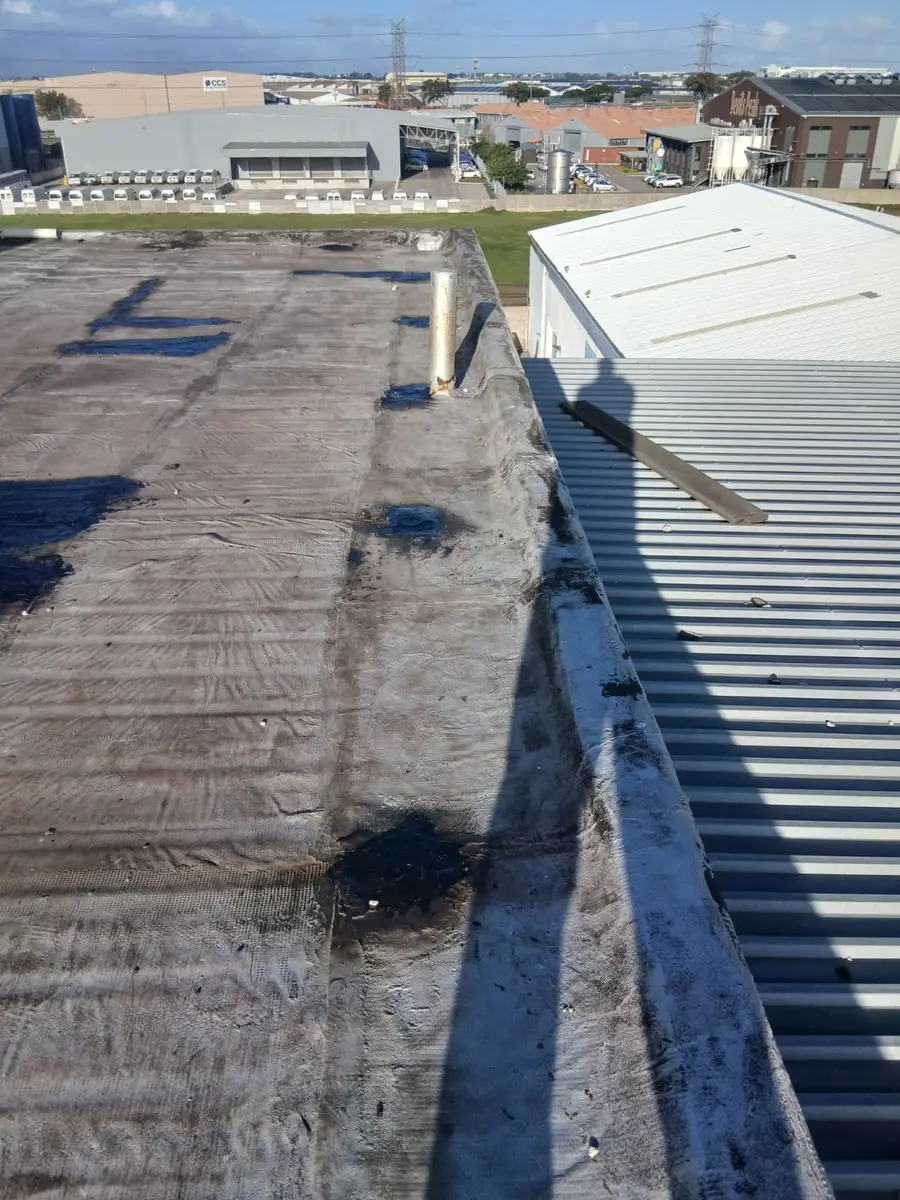
Waterproofing is a continuous membrane (torch-on bitumen, liquid polyurethane, cementitious slurry) engineered to hold back standing water — used on flat roofs, balconies and basements. Roof coating is a protective paint film over an already-shedding surface like tiles or IBR sheeting; it slows UV damage, seals porosity and improves looks but won't stop a structural leak. If you have a flat roof or active leaks, you need waterproofing first. If your tiled or IBR roof is sound but faded and dusty, coating is the right call.
How long does roof coating last in Cape Town sun?
Cape Town's UV is brutal — Durbanville sits at roughly 8-10 hours of strong sun on summer days. A two-coat acrylic system (Plascon Roof Care, Dulux RoofGuard) typically holds colour and integrity for 5-7 years before a recoat is needed. Polyurethane systems like Earthcote push that to 8-10 years. North- and west-facing slopes always fade first because they take the worst of the afternoon sun.
Can I paint over old roof coating?
Sometimes. If the existing coating is well-bonded and not chalking, a high-pressure wash followed by a compatible top-coat works fine. If the old paint is flaking, blistering or chalks heavily on a black-cloth wipe test, it must be stripped back to substrate first — coating over a failing layer just buys you 12-18 months before the new finish lifts with the old. The free inspection includes a chalk and adhesion test to determine which path applies.
Will lighter roof colours keep my house cooler?
Yes — measurably. SABS-tested 'cool roof' acrylics in white, light grey or terracotta reflect 65-80% of solar radiation versus 15-25% for a faded dark roof. On a typical Durbanville home that translates to a 4-7°C drop in loft-space temperature on a 35°C summer day, which carries through into living-room comfort and reduced aircon load. Insurers don't formally discount cool roofs in SA yet, but the energy saving alone usually pays back the colour upgrade within 4-5 summers.
How often should I re-coat?
Inspect every 2 years and plan to recoat acrylic systems every 5-7 years, polyurethane every 8-10 years. Watch for three early-warning signs: chalk transferring to a dark cloth when you wipe a tile, colour fading more than two shades from original, and visible hairline cracks at ridge cappings or sheeting overlaps. Catching it at year 5 means a single refresh coat (R80-R140/m²) instead of a full strip-and-rebuild at year 10.
Tile sealing — does it stop the tiles cracking?
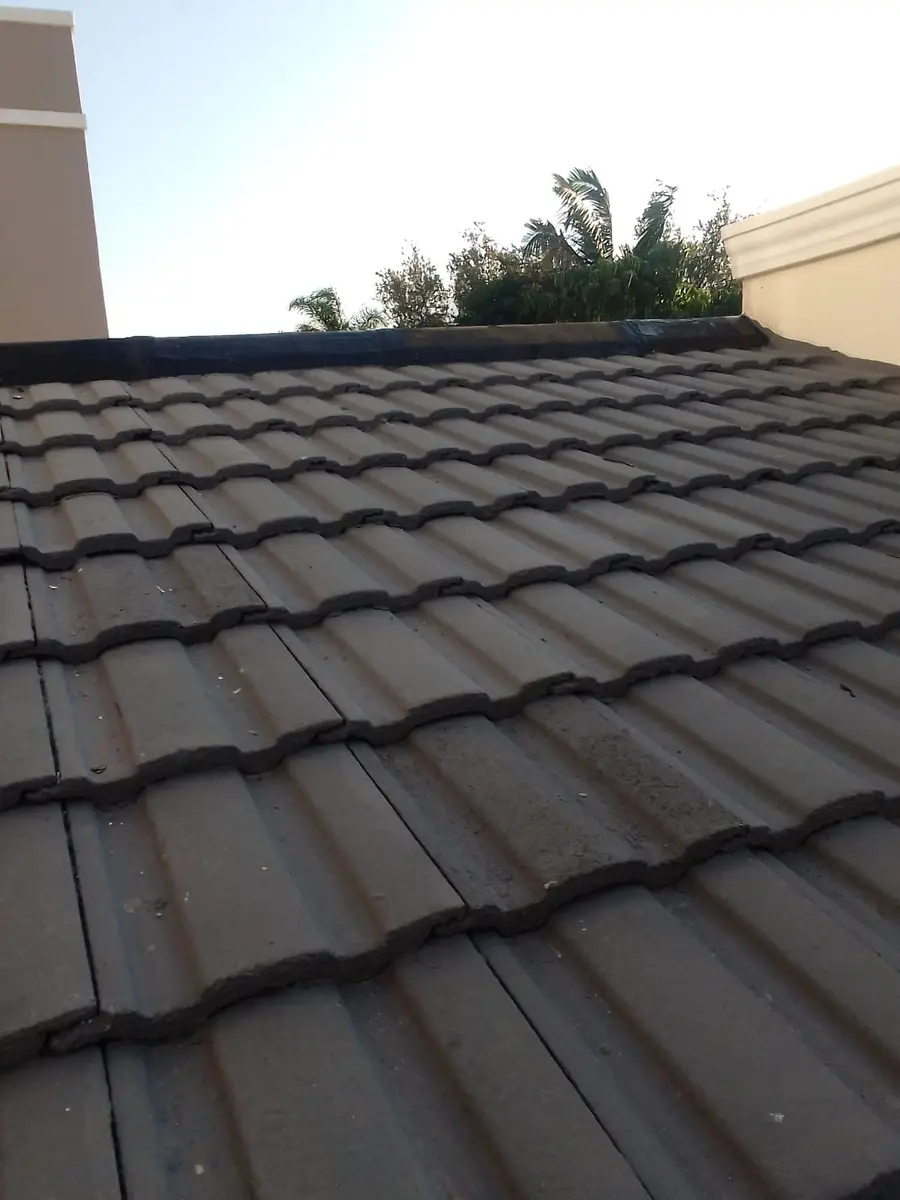
No — sealing waterproofs and slows chalking but won't stop a tile cracking from foot traffic, hail or thermal movement. What it does do is bond surface micro-cracks (typical of older Coverland and Marley concrete tiles) so wind-driven rain can't soak through the body of the tile and saturate the timber battens below. Cracked tiles are replaced individually before sealing — never sealed over, because the seal traps water in the crack and accelerates failure.
Roof Coating & Painting Across Durbanville & the Northern Suburbs
Our team provides roof coating & painting across these Northern Suburbs neighbourhoods — free on-site inspection on every quote:
Ready to Get Started?
Get a free, no-obligation roof coating & painting quote from our Northern Suburbs team — on-site inspection included.
Get Free Quote Now