Torch-On Waterproofing in Durbanville & Northern Suburbs
Compare quotes from approved Index, Derbigum and Sika torch-on applicators in Durbanville. Heat-fused 3mm and 4mm bituminous membranes for flat concrete roofs.
Benefits
Vetted contractors hold current Index, Derbigum or Sika approved-applicator status
Two-layer 3mm + 4mm cap-sheet systems quoted alongside single-layer options so you can compare apples-to-apples
10-year workmanship guarantee plus 15–20 year manufacturer membrane warranty
Free pre-quote roof inspection with substrate moisture check (torch-on fails on damp decks)
Fire-safety method statements supplied — gas-bottle handling, hot-works permit, fire watch
Installs scheduled inside Cape Town's dry-weather window (typically February to early May)
Our Process
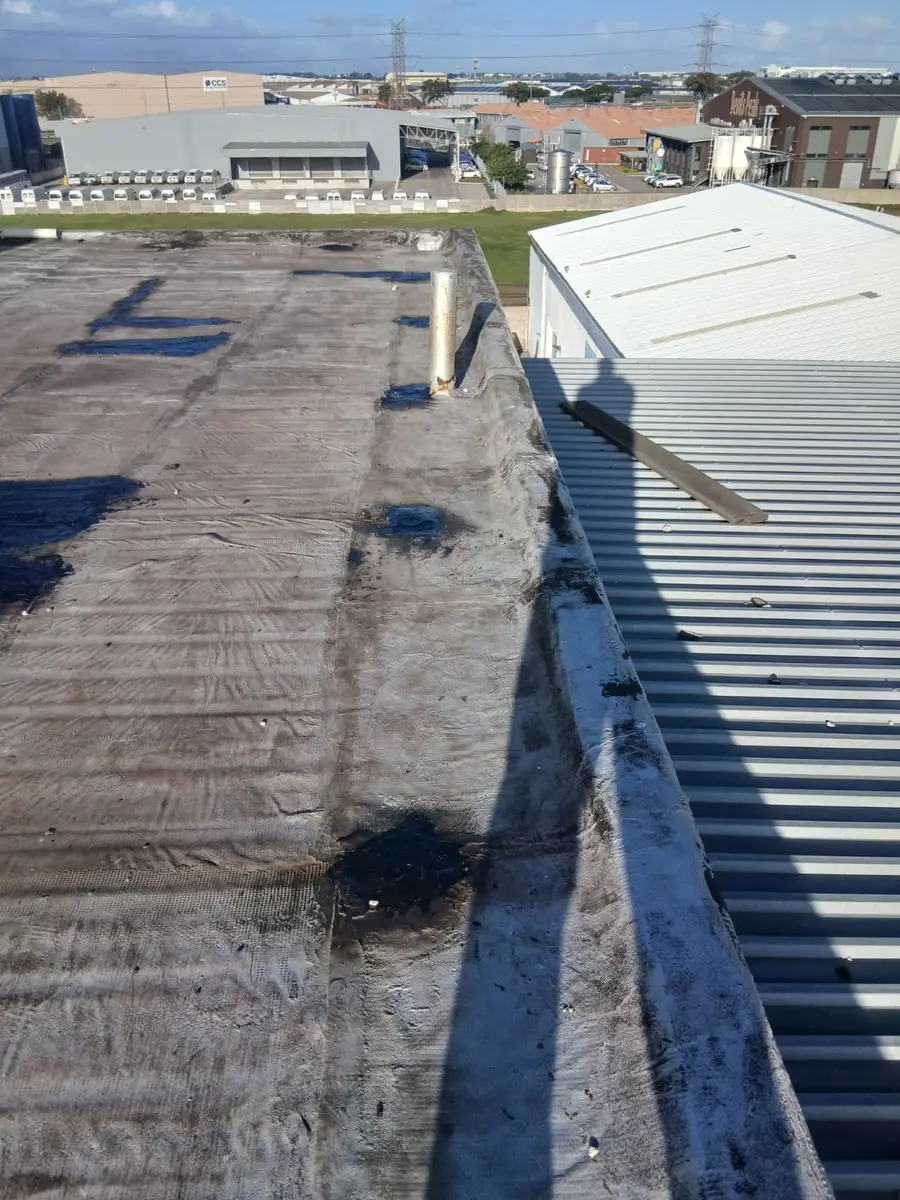
Free on-site inspection — moisture-meter reading on the slab, photo survey of upstands, drains, parapets
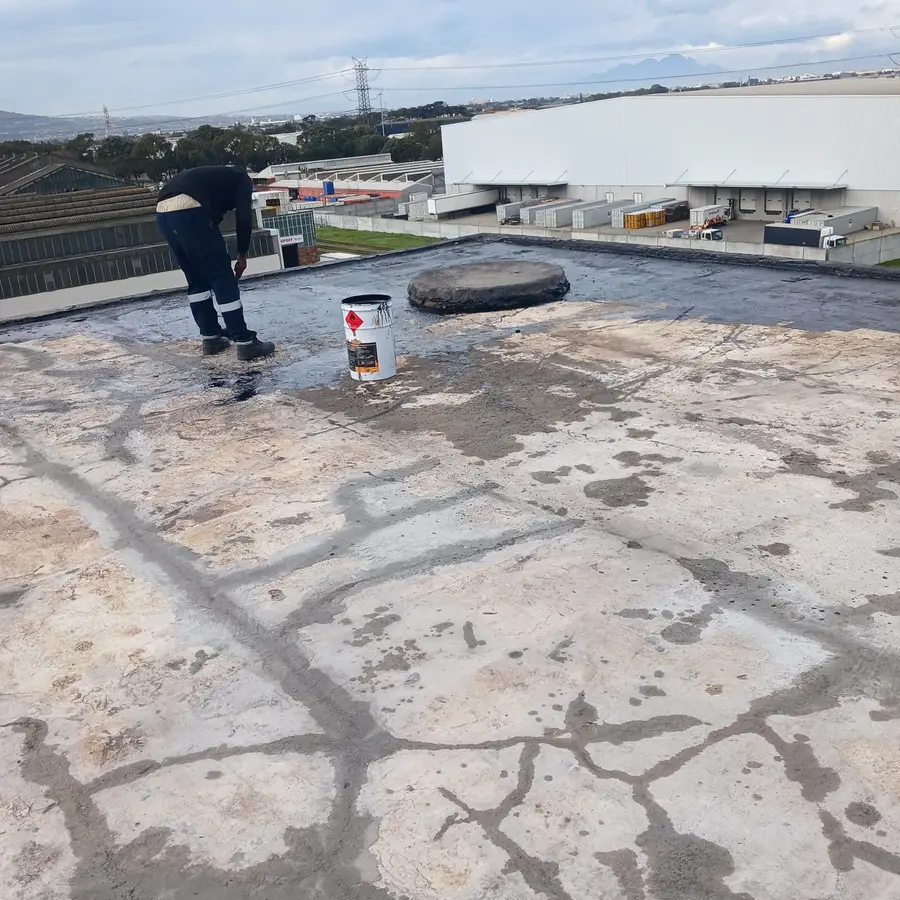
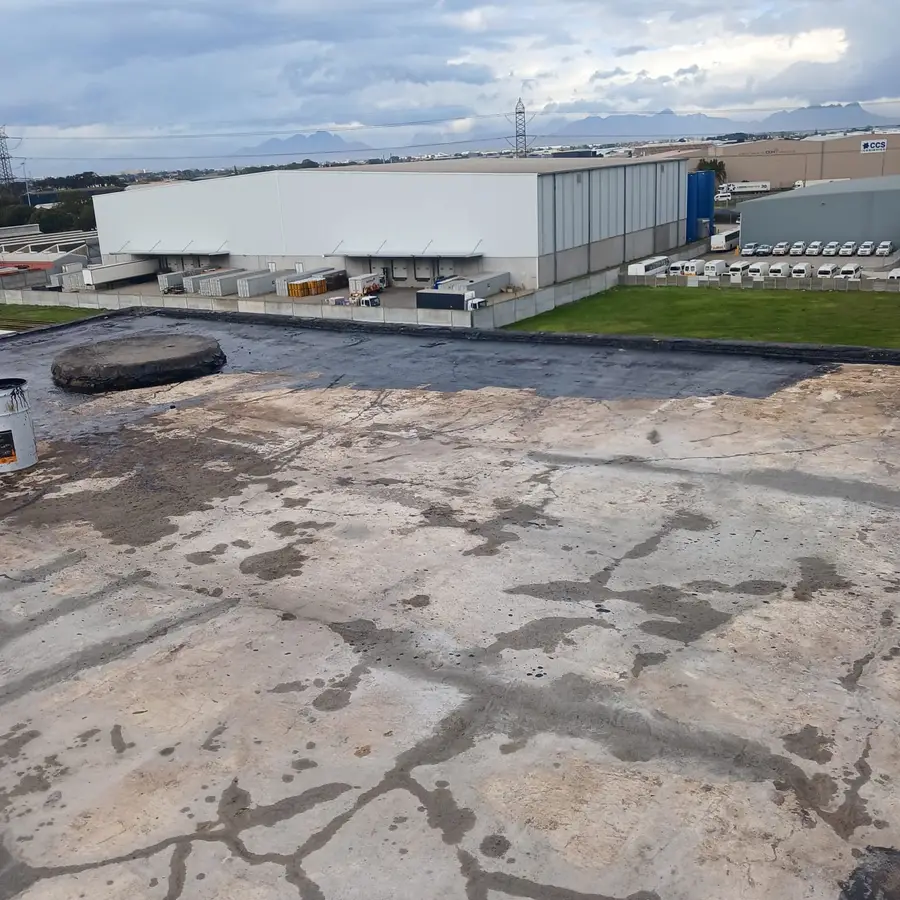
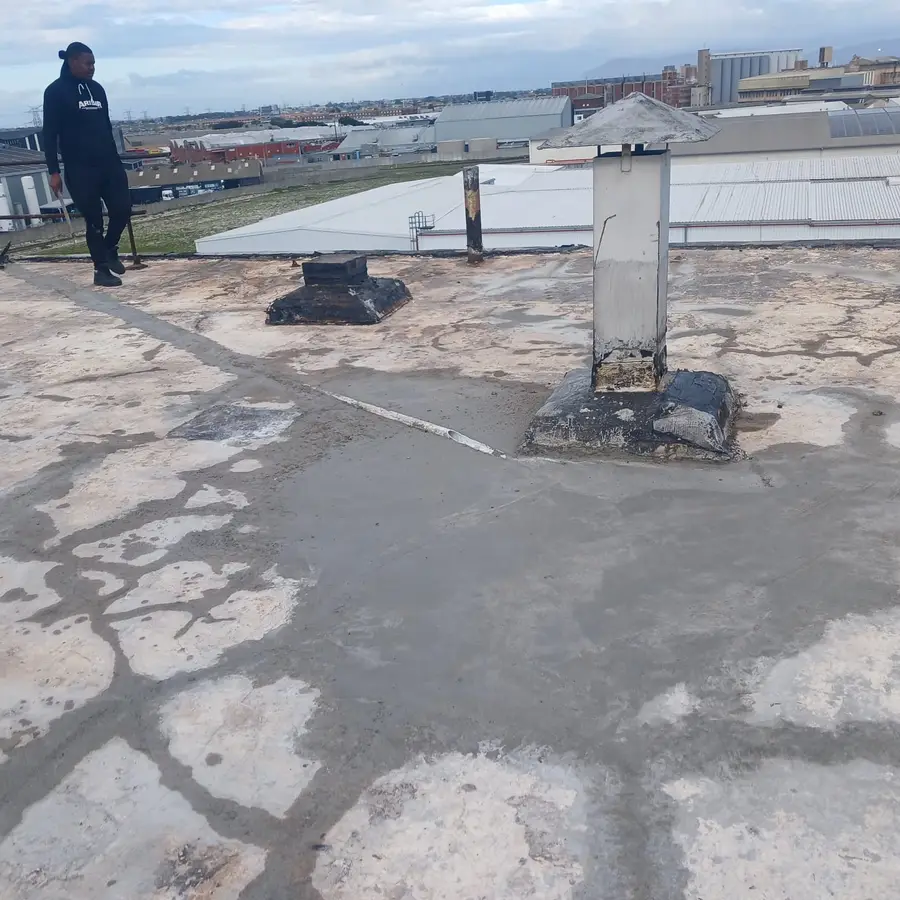
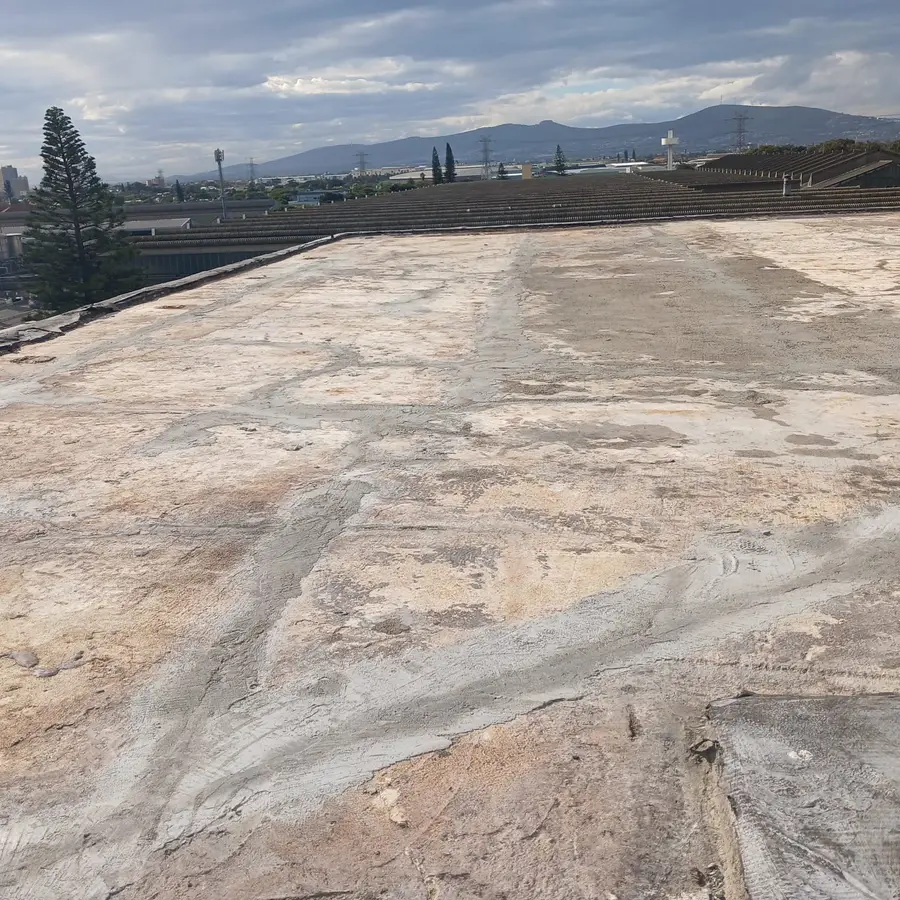
Substrate preparation — strip old membrane if perished, grind back blisters, repair cracks, screed falls to outlets where ponding is found
Bitumen primer applied to clean dry concrete and left to flash off (typically 2–4 hours depending on humidity)
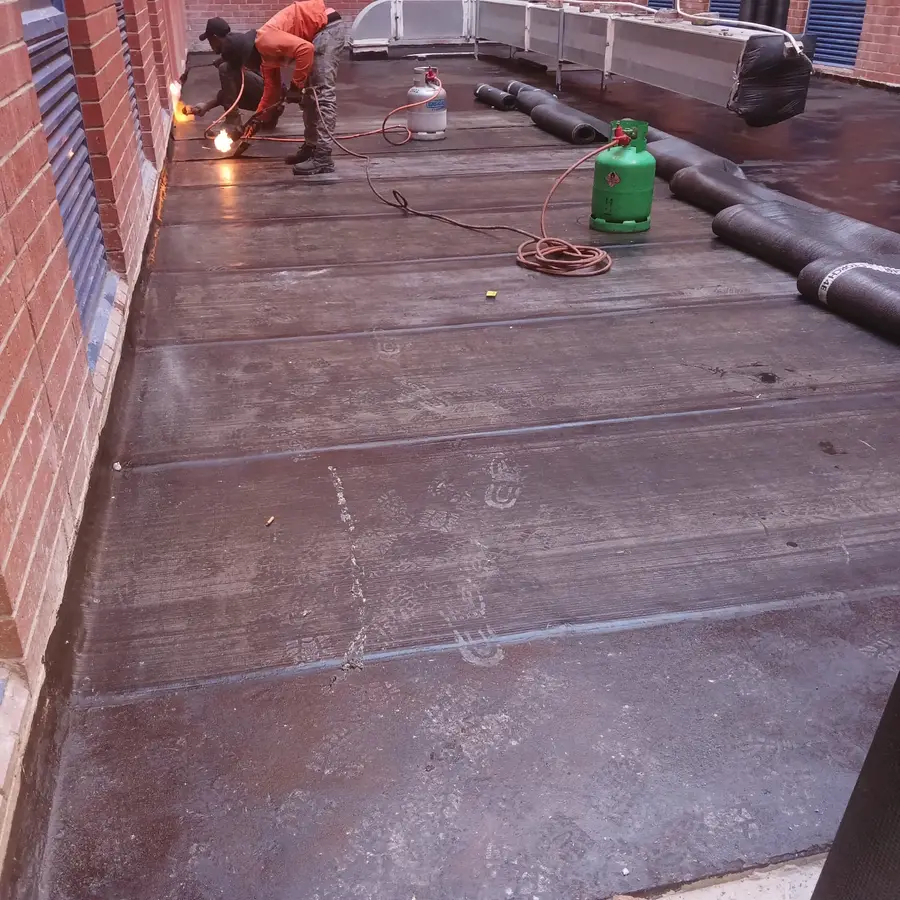
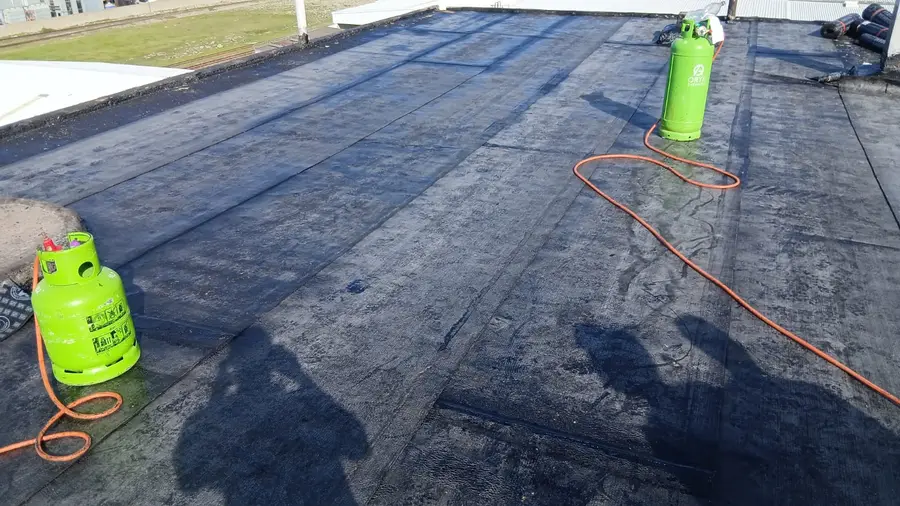
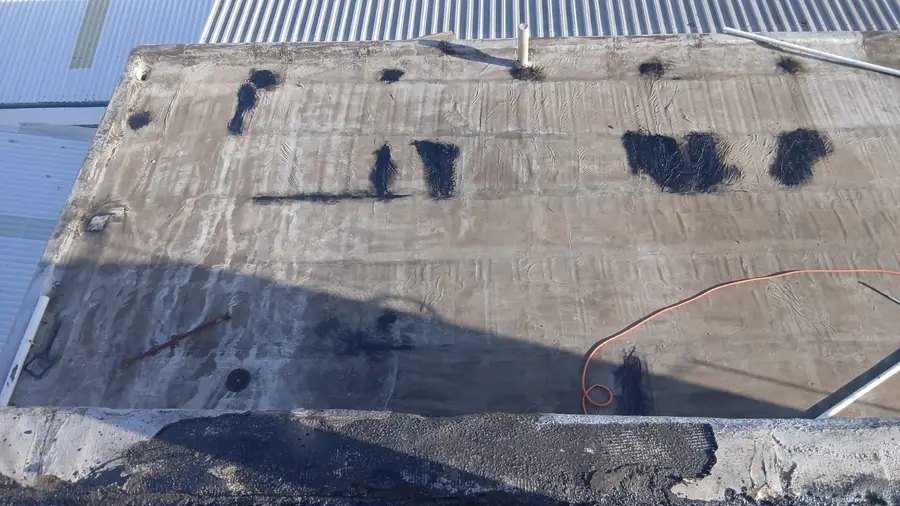
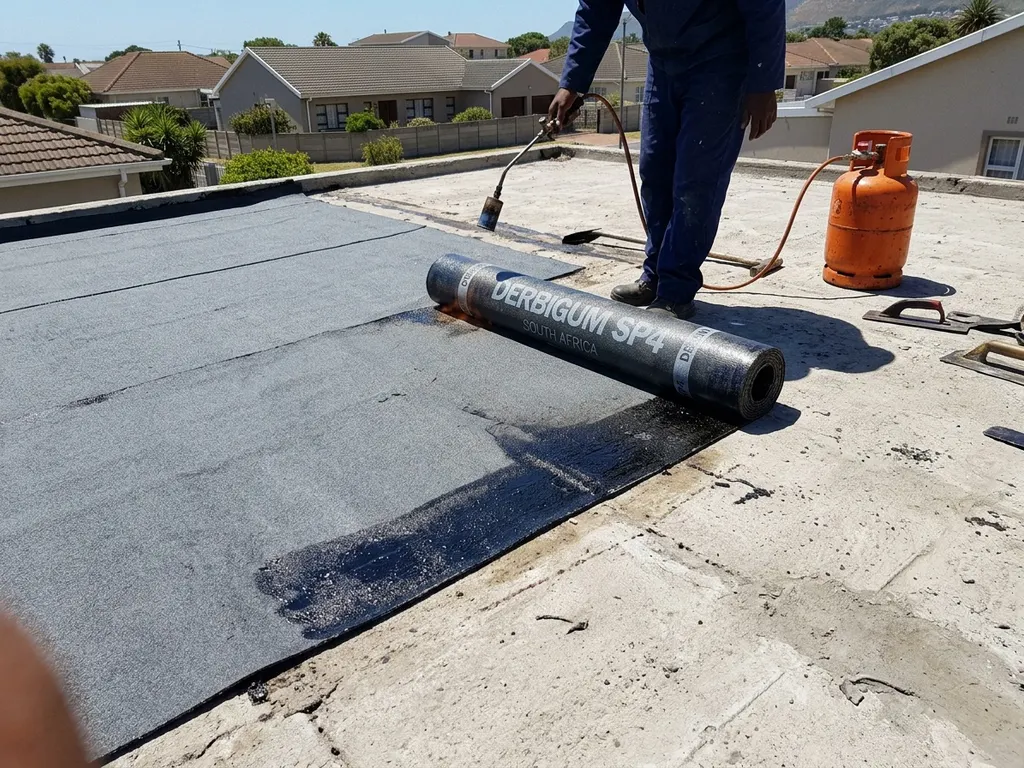
Base layer torched down — 3mm sanded underlay rolled and heat-fused, with 100mm side laps and 150mm end laps
Cap layer torched down — 4mm slate or mineral-finish membrane fused over the base in a brick-bond pattern, all upstands dressed 150mm minimum up parapets and around penetrations
Seam check — every overlap re-torched and trowel-sealed, flashings dressed to drains and pipes, perimeter chased and pointed
Flood test or 24-hour ponding test on flat sections, then issue 10-year workmanship guarantee plus manufacturer warranty certificate
Pricing
From R220/m²
2026 indicative ZAR pricing. Single-layer 4mm torch-on R220–R280/m². Double-layer 3mm + 4mm system R300–R380/m². Add R80–R150/linear m for parapet upstands and R450–R900 per drain/penetration detail. Substrate repairs and screed-to-falls quoted separately.
Get Accurate QuoteFrequently Asked Questions
Torch-on vs liquid waterproofing — which is better for my flat roof?
Torch-on wins on lifespan (15–20 years vs 8–12 for most liquid acrylics) and on Cape Town's wind-driven rain — the 4mm membrane simply has more mass to resist water ingress at laps. Liquid systems win on complex geometry (lots of pipes, awkward parapets) and on roofs that can't take a hot-works permit. For a straight-forward concrete flat roof in Durbanville, torch-on is the default.
How long does torch-on waterproofing last?
An approved-applicator install with a 4mm cap sheet typically lasts 15–20 years before re-coating, and 20–25 years if you re-coat the slate finish at year 10–12 with a compatible aluminium bitumen paint. Cheap labour and skipping the primer will cut that to under 8 years.
Single-layer or double-layer torch-on — what's the difference?
Single-layer is one 4mm cap sheet torched directly to the primed slab — quicker and cheaper, fine for low-risk roofs with good falls. Double-layer is a 3mm sanded underlay first, then a 4mm cap sheet in brick-bond pattern so the laps never align. Double-layer is the SANS 10021 best-practice spec for habitable buildings and is what manufacturers require for a full 20-year warranty. Always ask quotes to specify which they're proposing.
Can torch-on be done on a tiled roof?
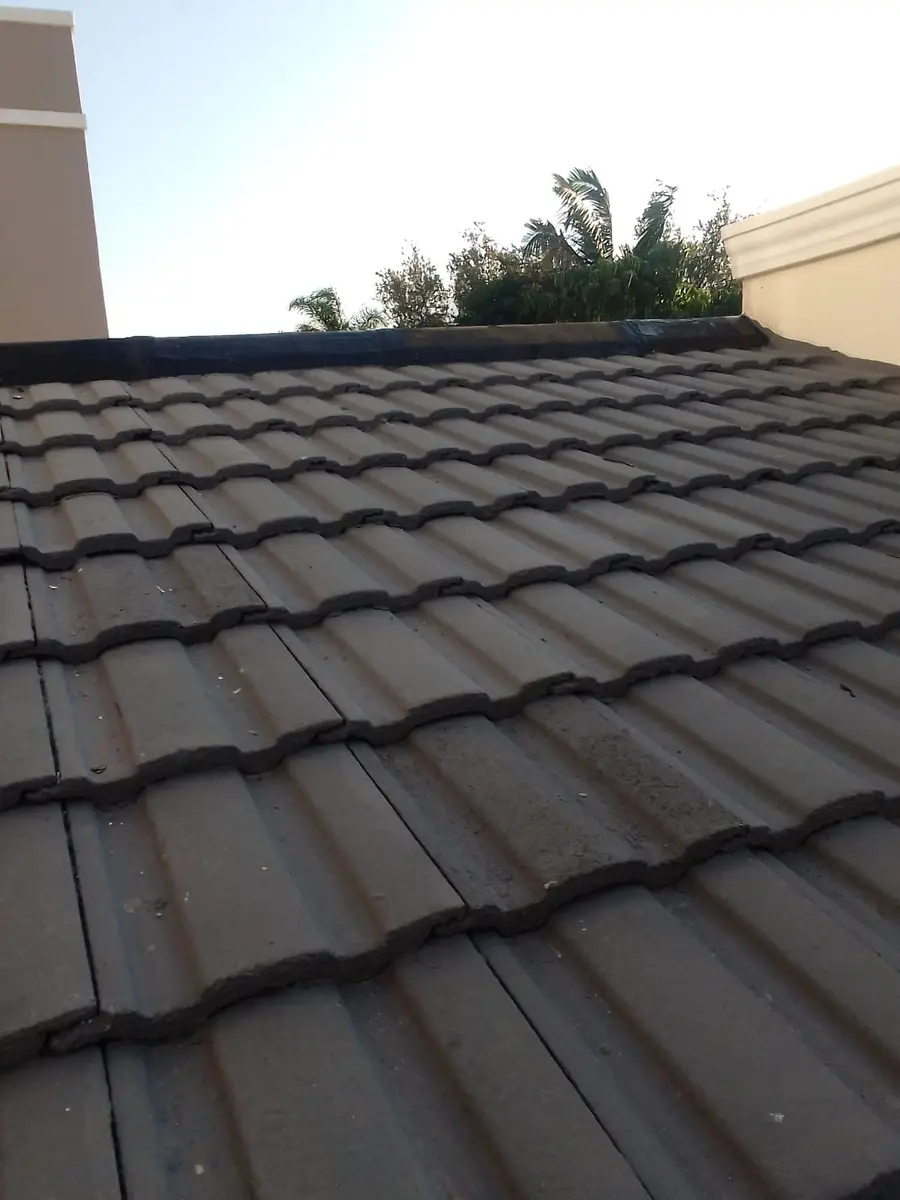
No. Torch-on needs a continuous flat substrate — concrete slab, screed, or sound timber decking with a fibre-cement overlay. Tiled pitched roofs use different systems: under-tile membranes during a re-roof, or acrylic/polyurethane coatings over the tile face. If a contractor offers torch-on over tiles, walk away.
What's the fire risk during installation?
Real but managed. Torch-on uses an open LPG flame at 1,400°C against bituminous material — every approved applicator works to a hot-works permit with a fire extinguisher and water bucket on the roof, a one-hour fire watch after the last torch is shut down, and no torching within 300mm of timber, plastic insulation or vegetation without a heat shield. Body corporates should ask to see the method statement before work starts.
What's the difference between a 3mm and 4mm membrane?
The number is the membrane thickness. 3mm is typically a sanded underlay used as the base layer in a double-layer system, or as a single layer on protected/inverted roofs. 4mm is the cap sheet — thicker bitumen reinforced with polyester fibre and finished in slate granules or mineral chips for UV protection. For an exposed flat roof in Cape Town the cap layer should always be 4mm minimum.
Torch-On Waterproofing Across Durbanville & the Northern Suburbs
Our team provides torch-on waterproofing across these Northern Suburbs neighbourhoods — free on-site inspection on every quote:
Ready to Get Started?
Get a free, no-obligation torch-on waterproofing quote from our Northern Suburbs team — on-site inspection included.
Get Free Quote Now